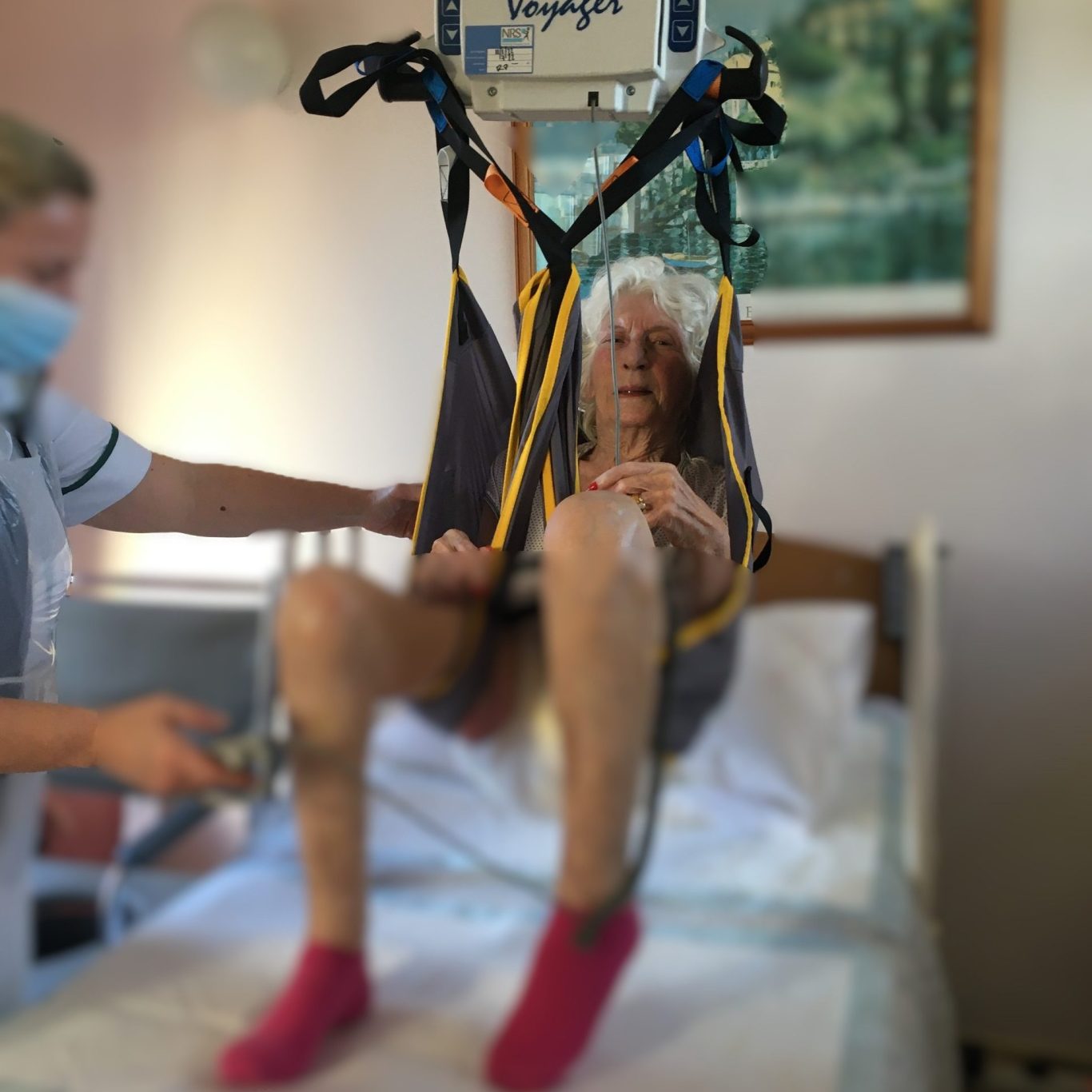
Personal Care...
Hands-on support with essential daily activities like washing, dressing, grooming, and using the toilet, provided to those unable to do these tasks themselves due to age, illness, or disability, focusing on maintaining dignity, health, and independence, often in the home.
Assistance with daily living activities, ensuring comfort and dignity.
Personal Care
Applying lotions and creams, dressing and getting ready for the day/bed, Oral hygiene, support with shaving.
Personal Hygiene
Helping you to the toilet, including using a commode or bed pan, changing continence pads, along with cleaning intimate areas.
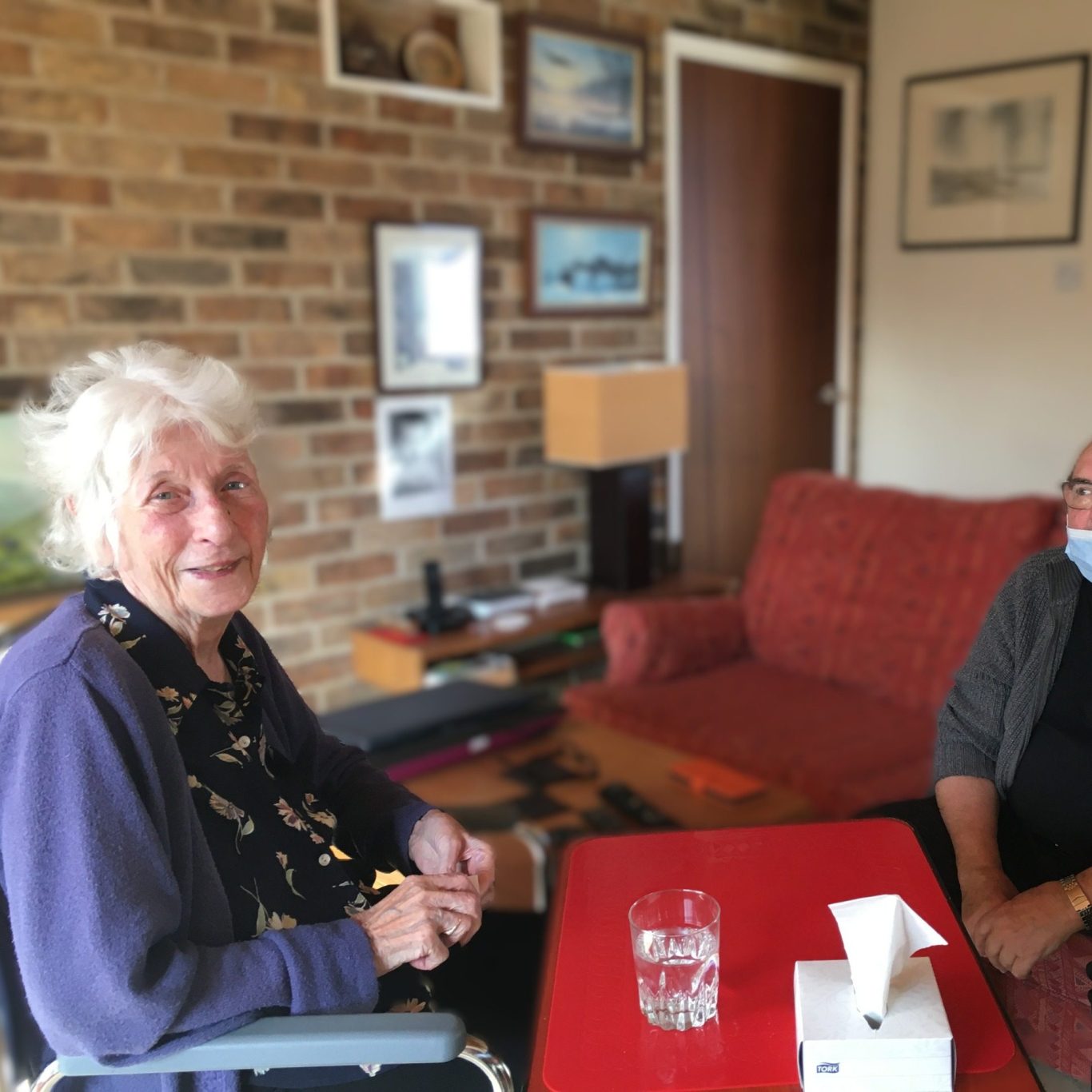
Companionship...
Having regular social interaction and emotional support to combat loneliness and isolation, which are common issues in later life, is vital for enhancing overall well-being, mental health, and physical health, and it helps older adults maintain their independence and a sense of purpose.
Befriending
Offering friendly conversation, shared hobbies, and a sitting service for carers needing respite.
Engaging social interaction and emotional support for a fulfilling life.
Need a little more time
Offering companionship for specific events, garden parties, clubs, cinema, theatre.
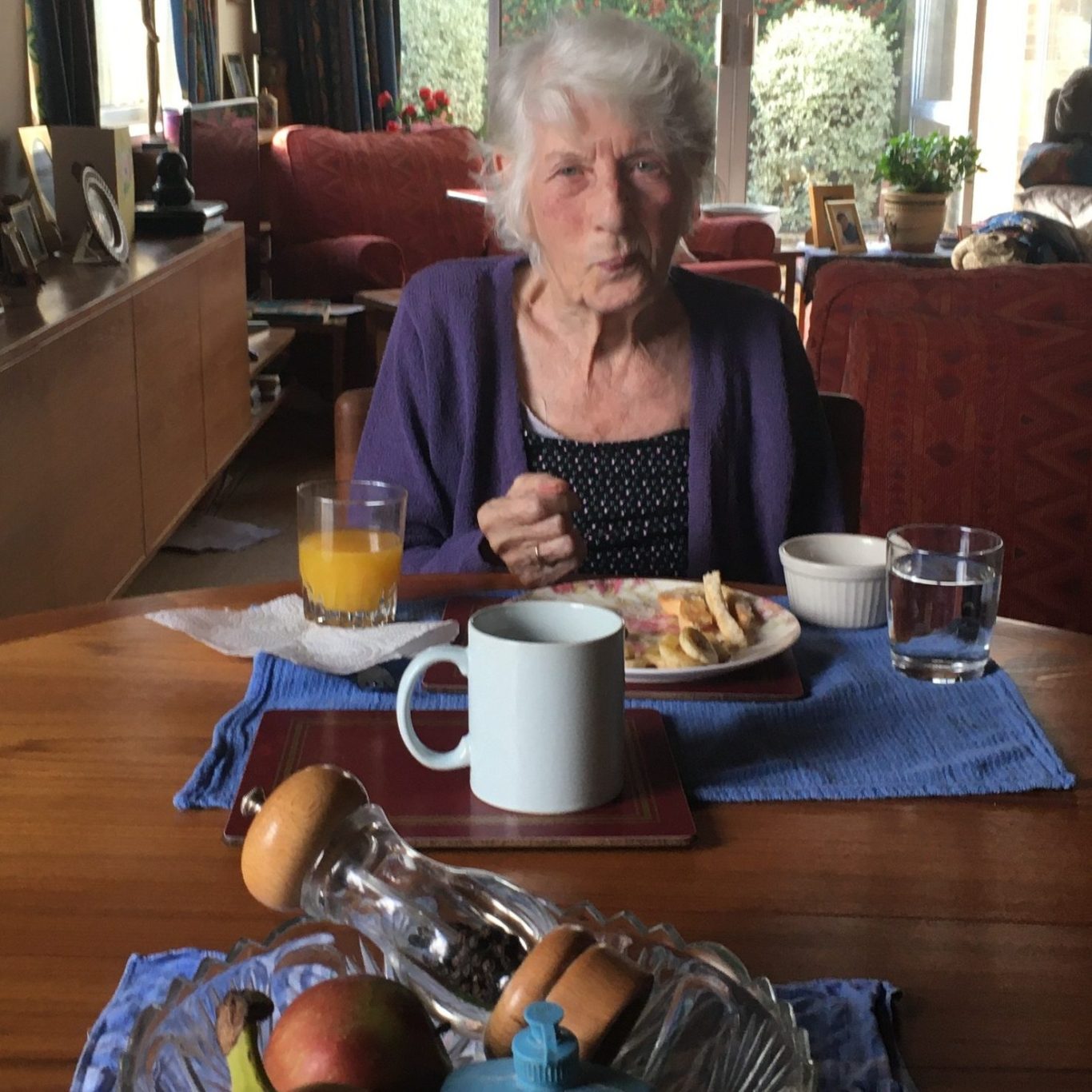
Meal Preparation
Meal preparation in care involves personalized support to ensure nutritious, enjoyable, and safe eating for individuals, often including meal planning, shopping, cooking, and nutritional monitoring. Carers focus on accommodating dietary needs, such as managing chronic conditions or texture modifications for swallowing difficulties, while promoting independence.
Care Meal Preparation
- Meal Planning & Choice: Personalizing menus to include preferred meals, Cultural foods, and nutritional needs, which helps encourage eating and improves intake.
- Dietary Modifications: Tailoring meals for diabetes, heart disease, or allergies, and offering soft, minced, or pureed options for those with chewing difficulties.
- Nutritional Focus: Ensuring balanced meals with high-protein foods, vitamins, and minerals, often using fresh, canned, or frozen ingredients.
- Safety & Hygiene: Follow safe food handling practices, including proper storage, safe reheating, and managing
With a little more time
- Grocery Shopping: Visit shops or manage online deliveries.
- Active Meal Preparation: Preparing freshly cooked meals for breakfast, lunch, or dinner.
- Batch Cooking: Preparing large quantities to freeze in portioned, easy-to-reheat containers, which saves time.
- Environment: Creating a pleasant, low-stress environment for mealtimes.
- Presentation: Focusing on appetizing presentation to stimulate appetite.
- Hydration: Monitoring fluid intake and encouraging hydration alongside meals.
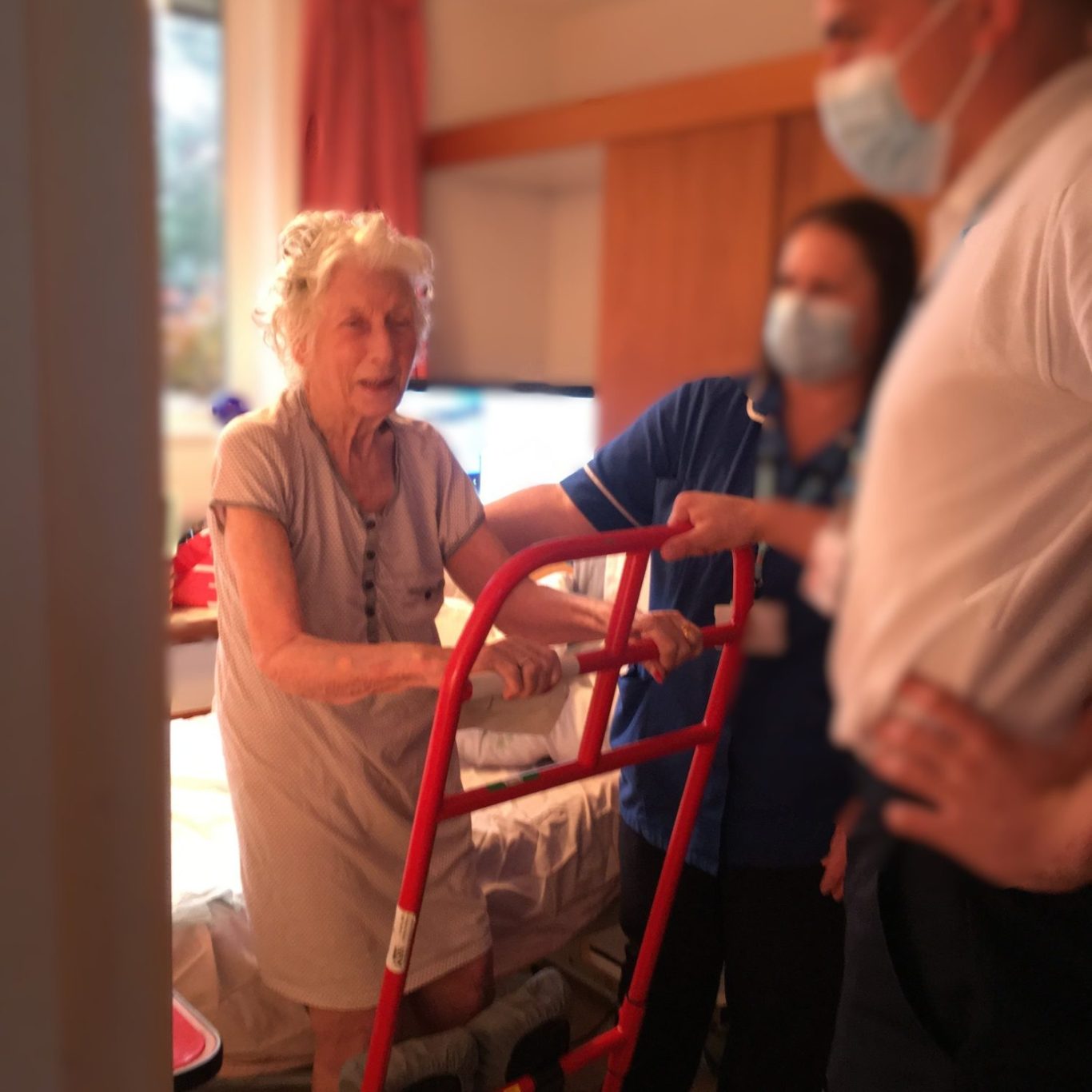
Mobility Support
Assistance with mobility and gentle exercise to maintain an active lifestyle. Mobility support in care enhances independence, safety, and quality of life for individuals with limited movement due to age, injury, or illness. It involves assistance with transferring (e.g., bed to chair), walking, using aids like hoists and walkers, fall prevention
Aspects of Mobility
- Assisted Transfers: Carers are trained to help individuals move between positions safely, such as standing up, sitting down, or moving from a bed to a wheelchair.
- Mobility Aids and Equipment: Support with using equipment like walking frames, stairlifts, and hoists.
- Active Support and Exercise: Encouraging regular physical activity, including guided exercises to improve strength, balance, and coordination.
- Fall Prevention: Assessing and adapting the environment to remove hazards, such as clearing pathways, securing rugs, and improving lighting.
- Community Access: Assistance with navigating public spaces, using transport, and attending appointments.
Benefits of Mobility
- Improved Physical Health: Regular movement maintains muscle strength, boosts cardiovascular function, improves balance, and reduces the risk of deep vein thrombosis (DVT) and pneumonia.
- Greater Independence and Well-being: Maintaining mobility allows clients to perform daily tasks like walking to the kitchen or socializing, which can significantly boost confidence and reduce dependence on others.
- Reduced Complications and Faster Recovery: Active mobilization reduces the risk of pressure ulcers (bedsores), infections, and delirium, while also decreasing the length of hospital stays.
- Enhanced Mental Health: Mobility aids in reducing feelings of frustration and depression often associated with aging or disability, encouraging a more active, positive daily life.
- Enhanced Safety: Regular, supported movement, even for those with dementia, helps maintain balance, which lowers the risk of falling and injuries.